






Winter is great if you like jumpers, hot chocolate, and pretending you enjoy long dark evenings. But for your home? Winter is a yearly stress test – and most homes fail it.
The good news: a little preparation goes a long way. Use this winter home maintenance checklist to keep the heat in, the cold out, and your energy bills under control.
1. Get a Roof Inspection Before the Weather Turns Brutal
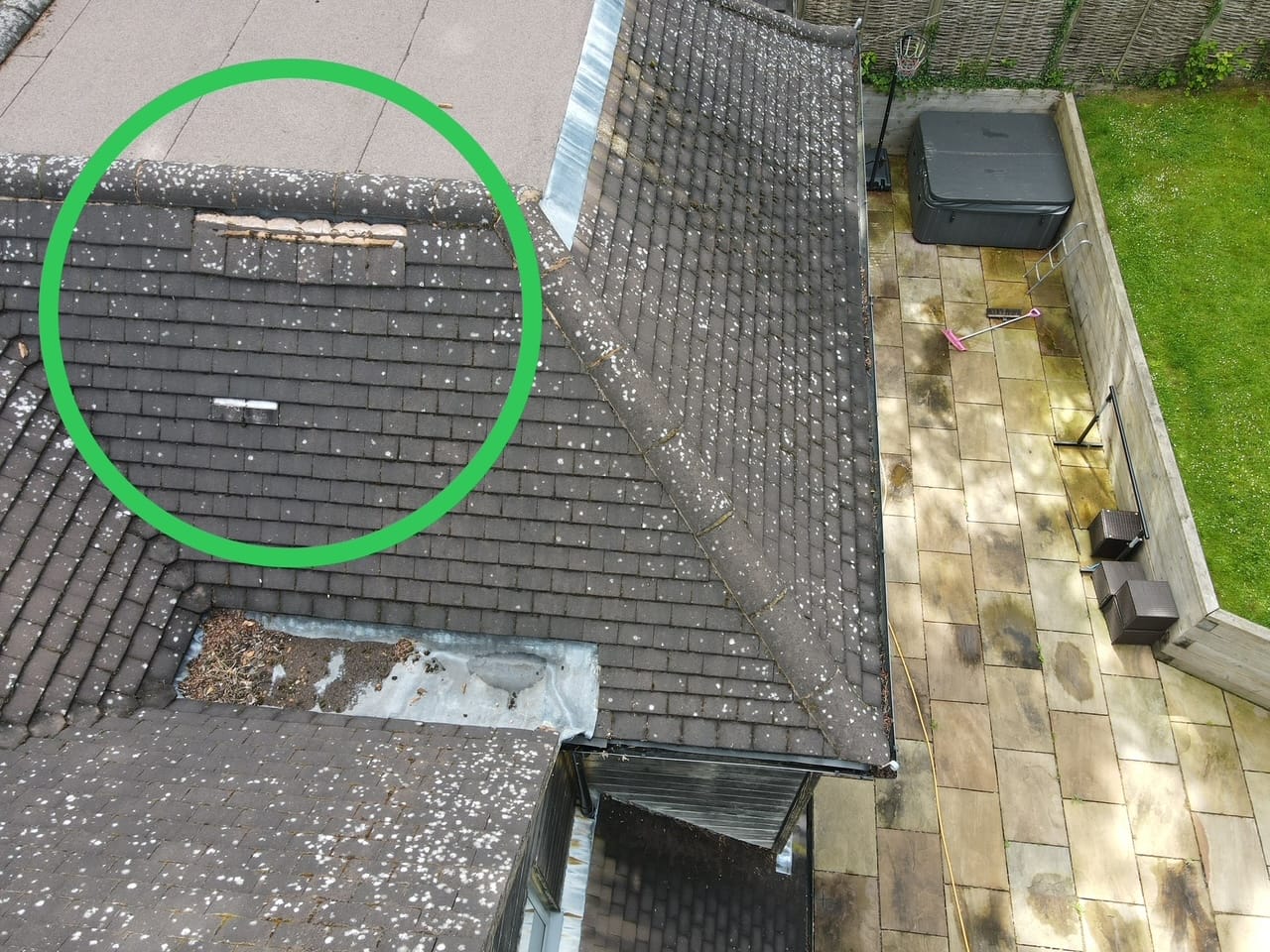
Your roof puts up with more in winter than any other time of year. One loose tile or split membrane now becomes a full-blown leak by January.
Our winter-ready roof inspections check:
- Tiles/slates
- Leadwork
- Flashings
- Flat roof membranes
- Felt underlay
- Chimney integrity
- Winter leak-risk areas
If you want your home warm, dry, and not full of buckets, this is step one.
2. Clear Gutters So Water Doesn’t Overflow into Your Walls
Blocked gutters don’t just look messy – they cause:
- Damp patches inside
- Overflowing water
- Damaged fascias
- Rotten soffits
- Foundation issues
Winter rainfall + blocked gutters = guaranteed problems.
We recommend a gutter clearance at least twice a year, especially before winter.
3. Check Insulation Levels in Your Roof Space
Around 25–35% of a home’s heat escapes via the roof.
A poorly insulated loft is essentially a radiator for the outside world.
DL Jones CPS can assess:
- Loft insulation quality
- Warm roof vs cold roof performance
- Ventilation balance
- Draught points
- Insulation gaps or compression
Good insulation = lower bills and warmer rooms, full stop.
4. Inspect Fascias, Soffits & Roofline Ventilation
Good ventilation keeps condensation under control.
Bad ventilation creates mould, damp, and heat loss. Winter is when roofline issues show themselves most:
- Warped fascias
- Rotting timber
- Blocked soffit vents
- Poor airflow in the loft
We replace roofline systems with long-lasting, low-maintenance uPVC that enhances both airflow and appearance.
5. Look for Early Signs of Felt Underlay Failure
Older roofs rely heavily on felt underlay to keep moisture out.
When it starts deteriorating, you won’t always see leaks straight away – but cold draughts, loft moisture, and hidden mould often appear first.
Our team can lift tiles, check the membrane, and recommend repairs or replacements before winter makes things worse.
6. Fix Small Issues Before They Become Winter Disasters
A cracked tile now is a roof leak in December. A dripping gutter is a damp patch in January.
A weak flat roof is a ponding nightmare in February.
Winter punishes delays – and repairing roofs in freezing conditions is harder, riskier, and sometimes more expensive.
7. Book a Professional Roof & Property Check
If you really want a warm, efficient home for winter, a professional inspection removes the guesswork.
DL Jones CPS provides:
- Full roof surveys
- Drone inspections
- Guttering checks
- Roofline assessment
- Insulation evaluation
- Flat and pitched roof repairs
- Winter-ready recommendations
Get Your Home Winter-Ready with DL Jones CPS
Stay warm, avoid leaks, and protect your property before the weather turns.
Call today to book your winter inspection:

