






What Are Liquid Roofing Systems?
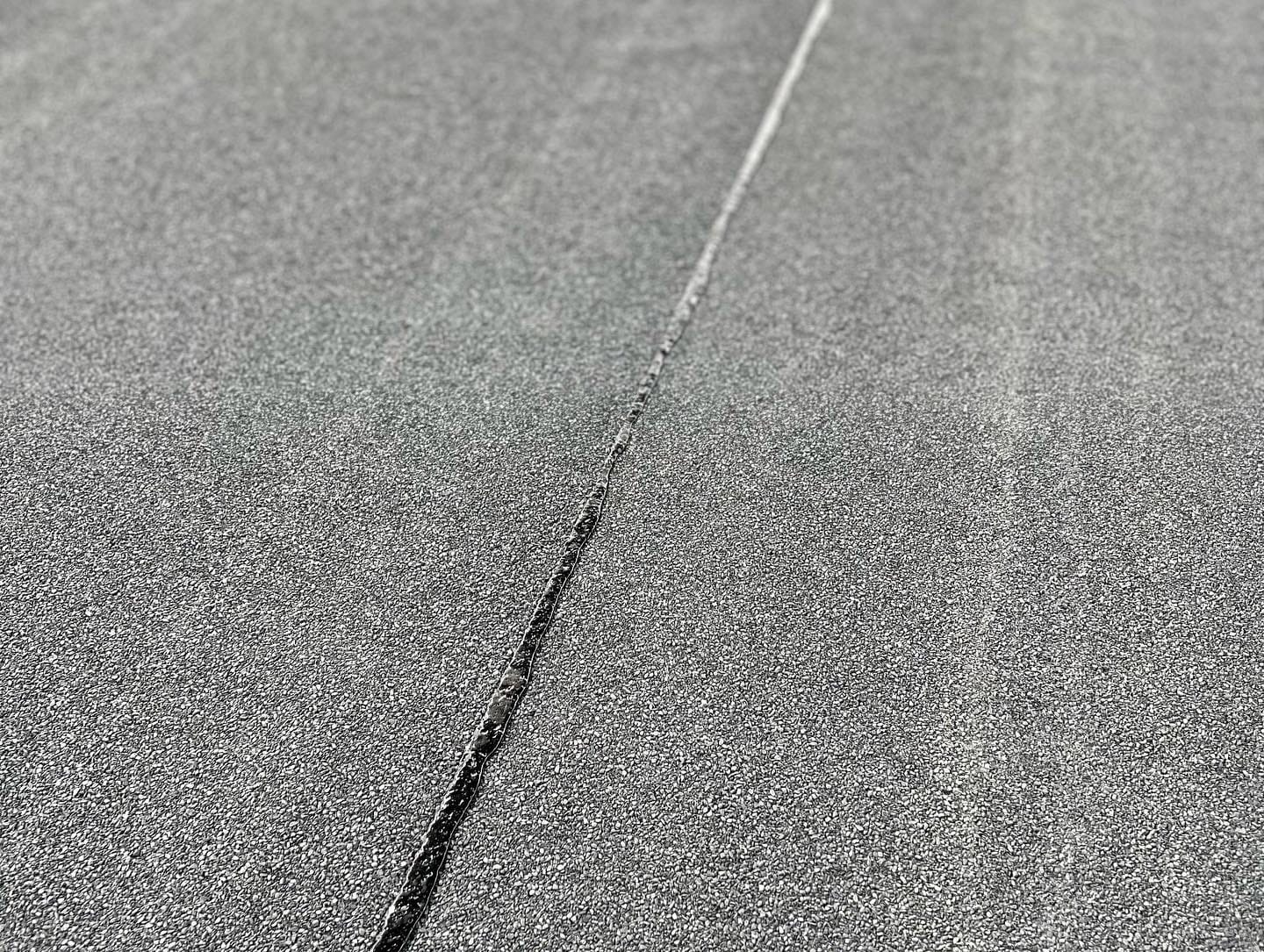
Liquid roofing systems are modern waterproofing solutions applied as a liquid coating which cures to form a seamless protective membrane across the roof surface.
Once applied, the coating creates a flexible, fully bonded waterproof barrier that protects the roof structure from water ingress and weather damage.
Liquid systems are widely used across commercial and industrial properties due to their durability and ability to cover complex roof details.
How Liquid Roofing Works
Unlike traditional roofing membranes that rely on sheets and joints, liquid roofing is applied directly to the roof surface.
The system is typically installed in layers using rollers or spray equipment.
As the material cures, it forms a seamless waterproof membrane with no joints or weak points.
This approach significantly reduces the risk of leaks while improving long-term performance.
Key Benefits of Liquid Roofing Systems
Seamless Waterproof Protection
Because the membrane is applied as a liquid, it forms a continuous coating with no seams or overlaps.
This eliminates common failure points found in traditional roofing systems.
Ideal for Complex Roof Details
Liquid systems are particularly effective on roofs with:
- Pipes and ventilation systems
- Skylights and roof lights
- Plant equipment
- Complex drainage layouts
The coating easily adapts to different shapes and surfaces.
Cost-Effective Roof Refurbishment
Liquid roofing systems are often used to refurbish existing roofs, avoiding the cost and disruption of full roof replacement.
This makes them an attractive solution for commercial property owners managing long-term maintenance budgets.
Minimal Disruption During Installation
Liquid systems can usually be applied with minimal disturbance to building occupants.
This makes them particularly suitable for:
- Schools
- Commercial offices
- Residential blocks
- Public buildings
Long-Term Durability
High-quality liquid systems provide long-lasting waterproof protection and can extend the life of existing roofing structures by many years.
Where Liquid Roofing Systems Are Used
Liquid membranes are suitable for a wide range of buildings including:
- Commercial offices
- Industrial warehouses
- Public sector buildings
- Schools and universities
- Residential apartment blocks
They are especially useful for refurbishing older roofs that still have a structurally sound deck.
Liquid Roofing vs Traditional Roofing Systems
While traditional felt or membrane systems remain widely used, liquid roofing provides additional flexibility in certain situations.
Liquid roofing is often the preferred option when:
- The roof has complex details
- Full roof replacement is not required
- Waterproofing must be completed quickly
- Seamless coverage is essential
Professional Installation Matters
To ensure maximum performance, liquid roofing systems must be installed by trained and approved contractors.
Correct surface preparation, application thickness and curing conditions all play a role in achieving a durable waterproof finish.
DL Jones works with leading manufacturers and approved systems to deliver high-performance liquid roofing solutions across London and the South East.
Discuss Your Roofing Project
If you are considering liquid roofing for a commercial or public sector building, our team can help assess your roof and recommend the most suitable solution.
Contact DL Jones today to arrange a roof survey or speak with one of our commercial roofing specialists.

